Blu-ray and DVD Combo Players
The ultimate backward-compatible media center for handling everything from standard definition classics to 4K Ultra HD masterpieces.
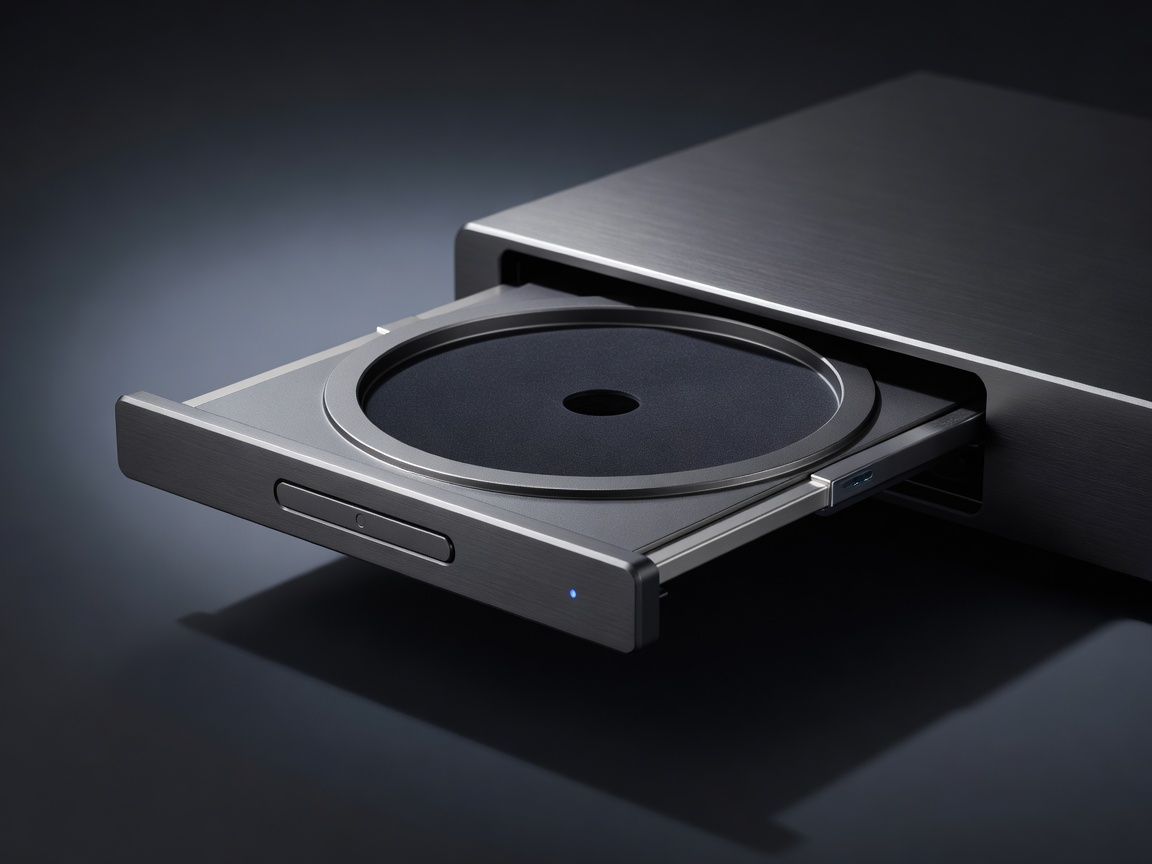
The Convergence of Media Formats
The progression of optical media over the last three decades has introduced incredible advancements in visual fidelity. However, physical media collectors rarely upgrade their entire library every time a new format launches. We all possess a hybrid collection: standard definition DVDs bought in the early 2000s, 1080p Blu-rays from the 2010s, and cutting-edge 4K UHD discs today. A high-quality Blu-ray combo player is the bridge that unites these generations, acting as a universal hub for your entire video library.
Backward Compatibility Hardware
How does a single tray read so many wildly different disc types? It all comes down to the optical pickup unit (OPU) inside the drive. CDs, DVDs, and Blu-ray discs all require lasers of different wavelengths to read their respective data pits.
- Infrared Laser (780nm): Used for reading standard audio CDs. The data pits are relatively large and spaced far apart.
- Red Laser (650nm): Used for reading DVDs. The shorter wavelength allows it to focus on the smaller, more densely packed data pits of standard definition video discs.
- Blue-Violet Laser (405nm): Used for Blu-ray discs. The incredibly short wavelength allows it to read microscopic data structures, enabling the massive 50GB to 100GB capacities necessary for HD and 4K video.
A combo player contains an advanced optical sled that dynamically switches between these laser diodes depending on the type of disc inserted. This intricate mechanical ballet ensures perfect backward compatibility without compromising read speeds or data integrity.
High-Resolution Audio Codecs
While the visual upgrade from DVD to Blu-ray is obvious, the auditory upgrade is equally profound. Standard DVDs rely on compressed audio formats like Dolby Digital and standard DTS. While capable of surround sound, these formats discard audio data to save disc space.
Blu-ray combo players decode lossless audio formats, specifically Dolby TrueHD and DTS-HD Master Audio. These formats provide a bit-for-bit identical replica of the studio master track. If you have a capable home theater receiver and speaker setup, passing these lossless audio streams via HDMI yields unprecedented clarity, dynamic range, and channel separation. Modern 4K players take this a step further by supporting spatial audio formats like Dolby Atmos, adding height channels to the soundscape.
4K Upscaling vs. Native 4K UHD
When shopping for a Blu-ray player, terminology is critical. A standard "4K Upscaling Blu-ray Player" is designed to read standard 1080p Blu-ray discs and mathematically scale the image up to a 4K resolution. It cannot read native 4K UHD discs.
Conversely, a "4K Ultra HD Blu-ray Player" features the specific high-capacity blue laser and decoding chips required to play native 4K UHD discs. These native 4K players still retain complete backward compatibility with standard Blu-rays, DVDs, and CDs, making them the ultimate investment for future-proofing your home cinema.