Vintage Audiophile CD Players
Exploring the heavy transport mechanisms, multi-bit DAC chips, and analog warmth that make 1990s hi-fi gear highly coveted today.
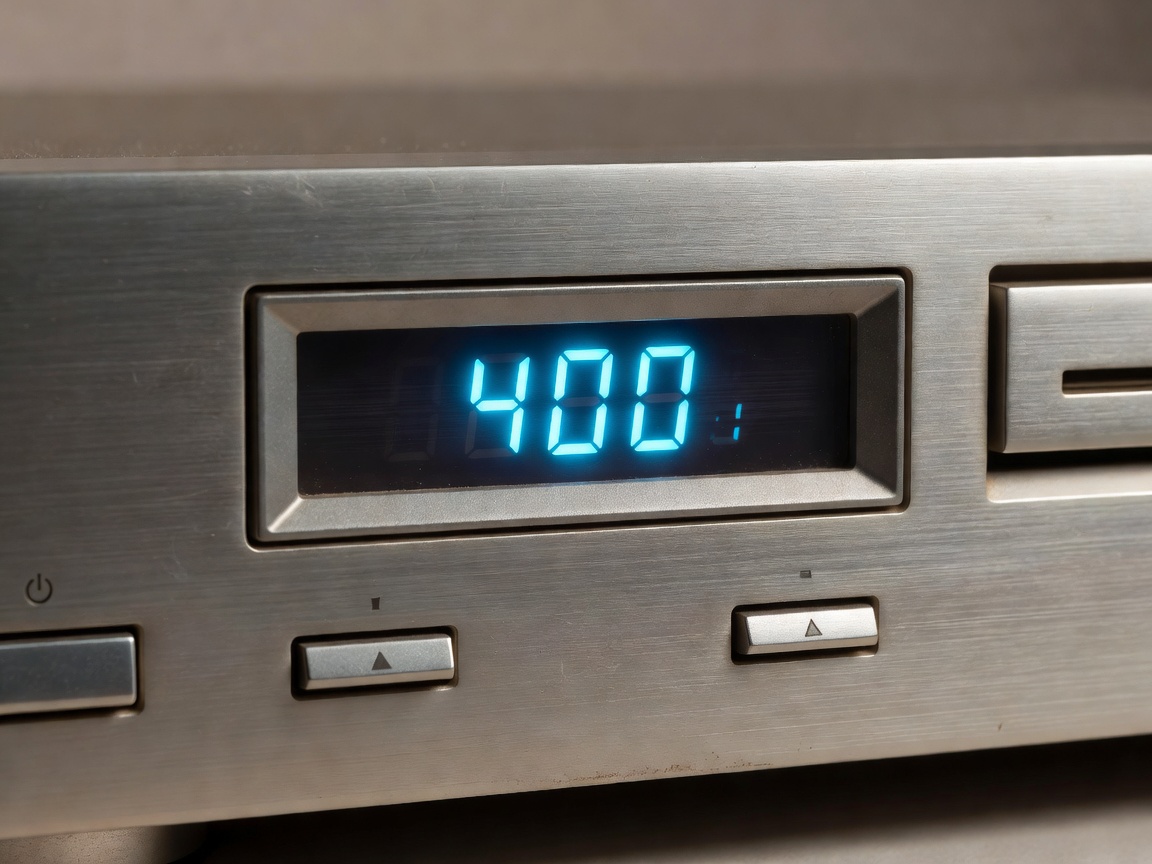
The Golden Age of Digital Audio Hardware
In the late 1980s and throughout the 1990s, high-end consumer electronics manufacturers engaged in a fierce arms race to perfect the compact disc player. Before the era of cost-cutting and integrated circuits, flagship CD players were over-engineered marvels of mechanical and electrical design. Today, these vintage units are highly sought after by audiophiles who claim they deliver a "warmer," more musical presentation than modern, hyper-analytical digital sources.
Transport Mechanisms: Built Like Tanks
The "transport" refers to the mechanical system that spins the disc and moves the laser pickup. Modern inexpensive CD/DVD drives use flimsy plastic trays and lightweight motors. In contrast, vintage audiophile CD players employed massive, heavily damped transport blocks cast from solid aluminum or zinc. These robust mechanisms were designed to isolate the spinning disc from external vibrations and internal chassis resonance. High-end proprietary tracking systems ensured laser precision, dramatically reducing the burden on the digital error-correction circuits. For many collectors, the sheer tactile satisfaction of a motorized aluminum tray gliding open silently is worth the investment alone.
The Cult of the Vintage DAC Chip
The soul of any CD player is its Digital-to-Analog Converter (DAC). Modern audio equipment almost exclusively uses Delta-Sigma DAC architectures, which offer incredible measurable specifications and microscopic noise floors. However, vintage audiophile players utilized "multi-bit" or R2R (resistor ladder) DAC chips.
Chips like the legendary Philips TDA1541 or classic Burr-Brown iterations are revered in the audio community. Devotees argue that these early multi-bit converters provide a more organic, weighty, and natural sound signature, lacking the sterile "digital glare" sometimes associated with modern Delta-Sigma designs. The implementation of these chips—often paired with oversized toroidal transformers and discrete analog output stages—resulted in a sonic footprint that many consider the pinnacle of standard-definition audio playback.
Maintenance and Restoration
Investing in 30-year-old electronics is not without peril. Mechanical components wear out. When purchasing a vintage audiophile CD player, several maintenance factors must be considered:
- Laser Lifespan: Laser diodes dim over time. Sourcing original replacement optical pickups (such as specific Sony KSS series or Philips CDM mechanisms) can be difficult and expensive.
- Capacitor Aging: Electrolytic capacitors in the power supply and analog output stages dry out and drift from their original specifications. A comprehensive "re-cap" by a qualified technician is often necessary to restore the unit's original sonic glory.
- Belt Replacement: The rubber belts that actuate the loading tray eventually perish and turn to a sticky residue. Fortunately, replacement belts are generally cheap and simple to install.
Using Vintage Players as Dedicated Transports
Even if the internal DAC of a vintage unit is no longer desired, they remain incredibly valuable as dedicated transports. By utilizing the digital coaxial or optical TOSLINK output on the rear of the unit, the pristine mechanical disc-reading capabilities of the vintage hardware can be passed seamlessly to a modern, state-of-the-art external DAC. This hybrid approach combines bulletproof 90s mechanics with cutting-edge 2026 digital decoding algorithms.