The Resurgence of Portable CD Players
Discover why personal optical audio is making a massive comeback, and what technical features you should look for in a modern portable unit.
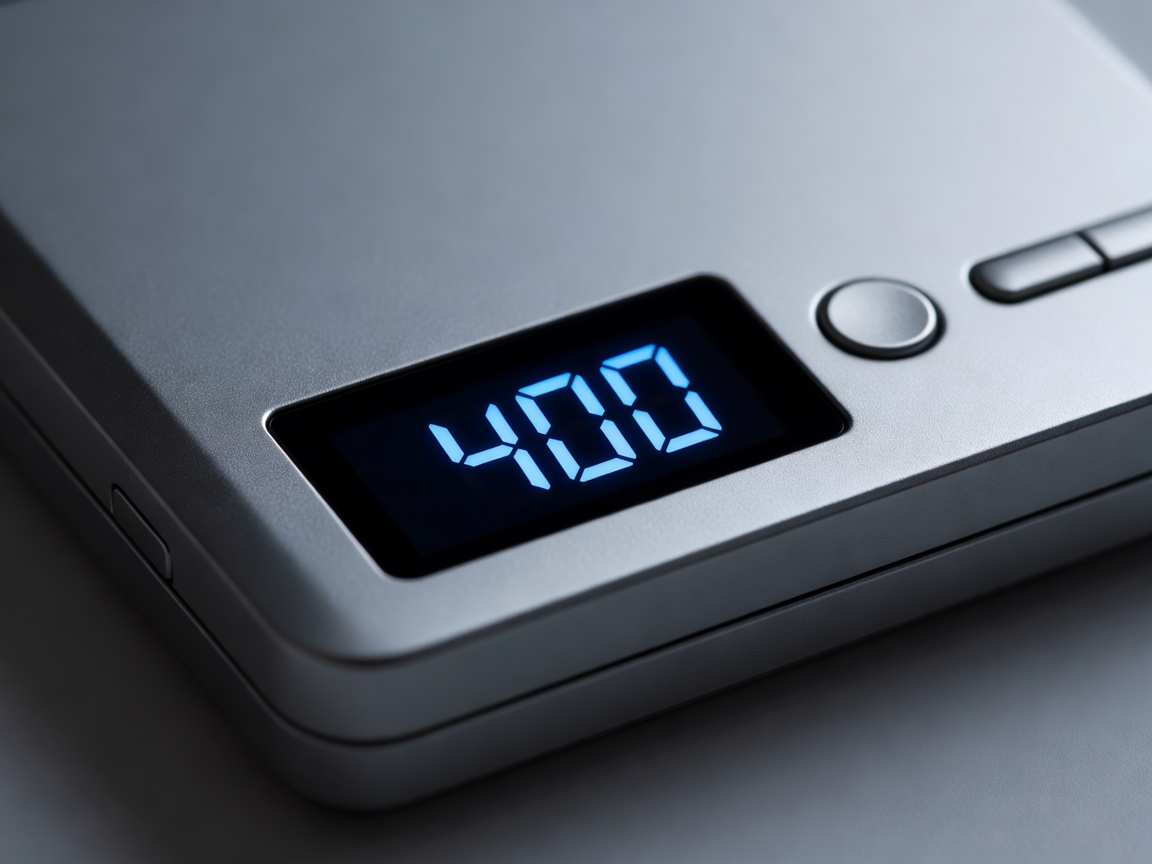
Why Go Back to Portable CDs?
The portable CD player, once a staple of the late 90s and early 2000s commute, is experiencing an unexpected renaissance. For many, the appeal lies in intentional listening. Unlike algorithmic streaming platforms that encourage constant skipping and passive consumption, a compact disc requires you to commit to an album. Beyond the psychological benefits, there is a distinct technological advantage: uncompressed audio. Standard Red Book audio CDs deliver 16-bit/44.1kHz stereo sound, which dramatically outperforms standard-tier Bluetooth streaming codecs.
Key Technologies in Modern Units
If you are looking to purchase a modern portable CD player, or resurrecting a vintage unit, several technological pillars dictate the quality of the experience.
Electronic Skip Protection (ESP)
The Achilles heel of early portable CD players was their susceptibility to physical shock, which caused the laser to lose its track. Modern units mitigate this through Electronic Skip Protection (ESP). The player spins the disc faster than necessary for playback, reading the digital data ahead of time and storing it in a solid-state memory buffer. If the player is bumped, the audio continues to play from the RAM buffer while the laser realigns itself. Today's units often boast 60 to 120 seconds of ESP, making skip-free jogging a reality.
Digital-to-Analog Converters (DAC)
The DAC chip is responsible for translating the digital zeroes and ones from the disc into an analog electrical signal that drives your headphones. While budget modern units use integrated system-on-a-chip (SoC) solutions, premium portable players feature dedicated DAC stages. A dedicated DAC provides a lower noise floor, better stereo separation, and a wider dynamic range, ensuring you actually hear the fidelity advantages of the CD format.
Power and Connectivity
Historically, portable CD players devoured AA batteries at an alarming rate. The mechanical motors required to spin the disc and move the laser sled are inherently power-hungry. However, modern iterations have largely shifted to internal rechargeable lithium-ion batteries. A high-capacity battery in a modern unit can provide up to 15 hours of continuous playback on a single USB-C charge.
Furthermore, connectivity has evolved. While the standard 3.5mm headphone jack remains essential—and is the only way to truly experience the uncompressed analog output—many contemporary units now feature Bluetooth transmitters. This allows the CD player to interface directly with wireless earbuds or modern car infotainment systems. While transmitting via Bluetooth inherently introduces lossy compression (unless using high-tier codecs like LDAC or aptX HD), the convenience factor for casual listening is undeniable.
Format Support
Beyond standard commercial audio CDs, versatility is key. Ensure your chosen player supports CD-R and CD-RW formats, allowing you to play custom mixtapes. Additionally, many modern units support decoding MP3 and WMA files burned onto data CDs. This allows a single standard 700MB disc to hold hundreds of compressed tracks, functioning more like an offline iPod than a traditional album player.
Pros and Cons of Portable CD Audio
- Pro: Guaranteed lossless, uncompressed CD-quality audio (when used with wired headphones).
- Pro: Forces intentional, album-oriented listening habits.
- Pro: Physical media ownership—your music cannot be revoked or altered by a streaming service.
- Con: Inherently bulky compared to a smartphone; requires carrying physical discs.
- Con: Mechanical moving parts are subject to wear and tear over the years.