Modern Home DVD Players: Upscaling & Region Freedom
Learn how standard definition video is optimized for 4K displays and why breaking geographic locks expands your cinematic library.
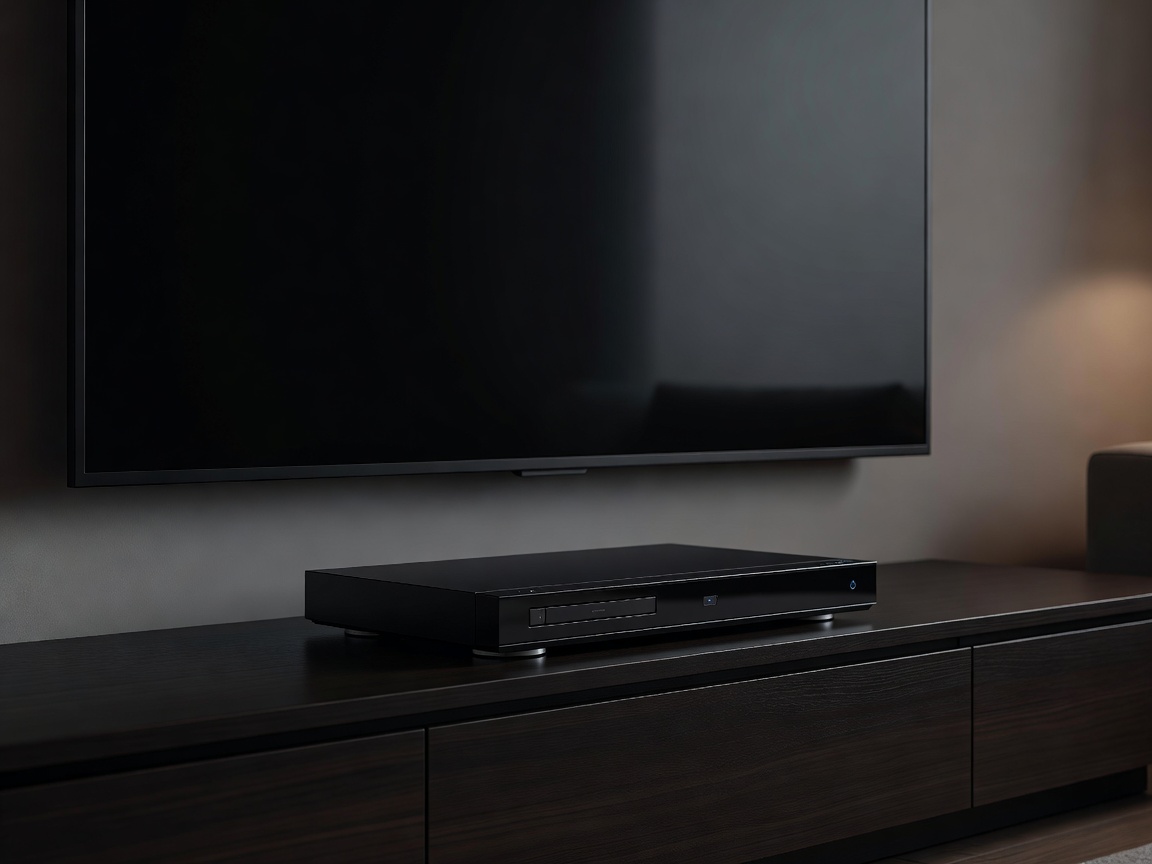
The Standard Definition Dilemma on Modern TVs
The Digital Versatile Disc (DVD) is fundamentally a standard-definition format. A standard NTSC DVD outputs a resolution of 720x480 pixels, while a PAL DVD outputs 720x576 pixels. In the era of CRT televisions, this resolution provided a beautifully sharp image. However, when you connect a legacy DVD player to a modern 4K (3840x2160) television, the TV must stretch those 480 vertical lines to fill 2160 lines. If this process is handled poorly, the resulting image is blurry, jagged, and heavily pixelated.
Hardware Upscaling Explained
To solve the resolution mismatch, modern DVD players incorporate dedicated hardware upscaling chips. Rather than relying on the television's generic internal processor to stretch the image, an upscaling DVD player processes the MPEG-2 video stream internally before outputting it via HDMI.
These upscaling algorithms employ complex interpolation techniques. They analyze adjacent pixels and mathematically calculate what the missing pixels should look like if the image were natively high definition. While upscaling cannot magically create detail that was never captured on the original disc, it significantly smooths jagged diagonal lines, reduces digital noise, and sharpens edges. A high-quality 1080p upscaling DVD player ensures that your classic film collection remains highly watchable on contemporary large-screen displays.
The Importance of Region-Free Firmware
One of the most frustrating aspects of the DVD format's inception was the implementation of Regional Playback Control (RPC). The world was divided into six primary geographic regions. A disc purchased in Europe (Region 2) would outright refuse to play on hardware purchased in the United States (Region 1). This artificial restriction was designed by film studios to control release dates and pricing globally.
Today, film enthusiasts frequently import boutique cinema releases, obscure anime, or foreign television series that are simply unavailable in their home country. A region-free DVD player bypasses these software locks entirely. These players either utilize custom, modified firmware or have hidden service menus that allow the user to set the region code to "0" (all regions). Investing in a region-free player transforms your television into a global cinema, allowing you to source physical media from anywhere on earth without playback anxiety.
Essential Connections for Home Audio
While HDMI handles both video and audio in a single cable, audio purists often utilize secondary outputs to integrate the DVD player into legacy home theater receivers.
- HDMI: The primary standard. Carries upscaled digital video and digital surround sound (Dolby Digital, DTS) directly to modern receivers and TVs.
- Coaxial / Optical (TOSLINK) Audio: Crucial for connecting to older AV receivers that lack HDMI inputs but can still decode 5.1 surround sound bitstreams.
- RCA Analog Audio: Necessary if connecting to a pure stereo hi-fi amplifier that lacks internal digital-to-analog conversion. The quality here heavily depends on the DVD player's internal DAC.
Longevity of the Format
Despite the dominance of high definition formats, the standard DVD remains the most widely manufactured and sold physical video format globally. For independent filmmakers, low-budget documentaries, and massive television series box sets, the DVD offers a manufacturing cost-efficiency that Blu-ray cannot match. Ensuring you have high-quality playback hardware means future-proofing your access to decades of media history.